14th April 2015
Gluten.
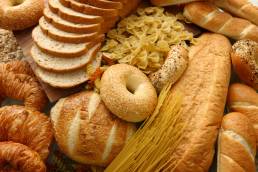
First of all what is it and where does it come from? Gluten, is a form of Wheat. Well, specifically the protein found within Wheat. Gluten helps foods maintain their shape, essentially acting as a glue.
In the past 100 years agriculture has changed dramatically. We are now using far more chemicals and fertilisers than ever before meaning the gluten we consume daily is far more dangerous than the Gluten our grandparents consumed many years ago.
What does this mean?
Firstly, humans have never had adequate enzymes to be able to break down gluten. Our bodies should be able to efficiently allow energy to pass into the cells of the body. Gluten acts like a sticky glue which can prevent anything entering our cells. For example Insulin, which allows the sugar (glucose) in our bloodstream to pass into cells to be used as energy or stored. Gluten will do its utmost to prevent this from happening.
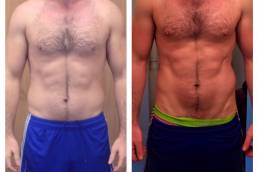
Its important to remember we don't need Gluten to survive and it offers very little to zero nutritional value. If you have a goal reducing body fat remove gluten from your diet.
14th April 2015
Hip Flexors
Do you work in an office? Suffer from lower back pain? Then the below information on what your Hip Flexors are, what they do and how the impact your daily life is a must read.
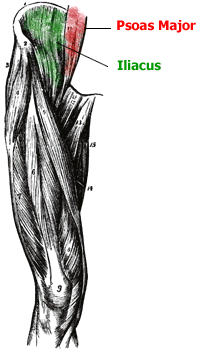
The 2 main muscles that make up the Hip Flexors;
- Iliacus
- Psoas
The main function of these muscles is too assist your joints in moving properly in their full range. They allow you to draw your leg to your torso, and also help move your legs from side to side and backwards.
The hip flexor is the muscle group that connects your legs to your torso and lower body, and allows your legs to move in conjunction with your torso. The hip flexor also serves to stabilise your hips and lower body, keeping the joints of your pelvis and lumbar spine strong.
If you spend most of the day in an office sitting down at a desk its more than likely your hip flexors will be underdeveloped, tight, stiff and short due to the static position they are kept in all day. You will more than likely experience a limited range of motion in the hips and lower back. That's because tight hip flexors pull your pelvis into an unnatural forward tilt, which in turn pulls your lumbar spine out of alignment, causing lower back pain.
Regular stretching and exercises that promote range of movement are great for increasing hip flexor mobility and strengthening (Lunges, Split Squats etc)
12th April 2015
Super Foods…
Super Foods you should be eating...
Kale - One cup of cooked kale has over 1000% more vitamin C than a cup of cooked spinach. Kale is among the most nutrient dense foods in existence.
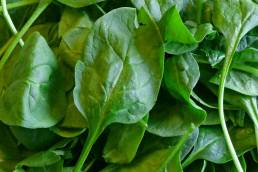
Spinach - Rich in iron. Iron plays a central role in the function of red blood cells which help in transporting oxygen around the body, in energy production and DNA synthesis. Spinach is also an excellent source of vitamin Vitamin K is important for maintaining bone health and it is difficult to find vegetables richer in vitamin K than spinach.
Watercress - High in Sulphur. For females who are Oestrogen dominant, body fat will often be stored around the legs/hips. Watercress will assist in pulling excess Oestrogen from the body acting as an Oestrogen Modulator.
Tip; Dark green leafy vegetables are nutritional powerhouses